



Just as seatbelts reduce fatalities and injuries on the road, standards ensure that the right information is available at the right time, allowing health and care professionals to make informed decisions.
When health and care professionals have the right information in front of them, they can make effective, safe clinical decisions and engage in meaningful consultations.
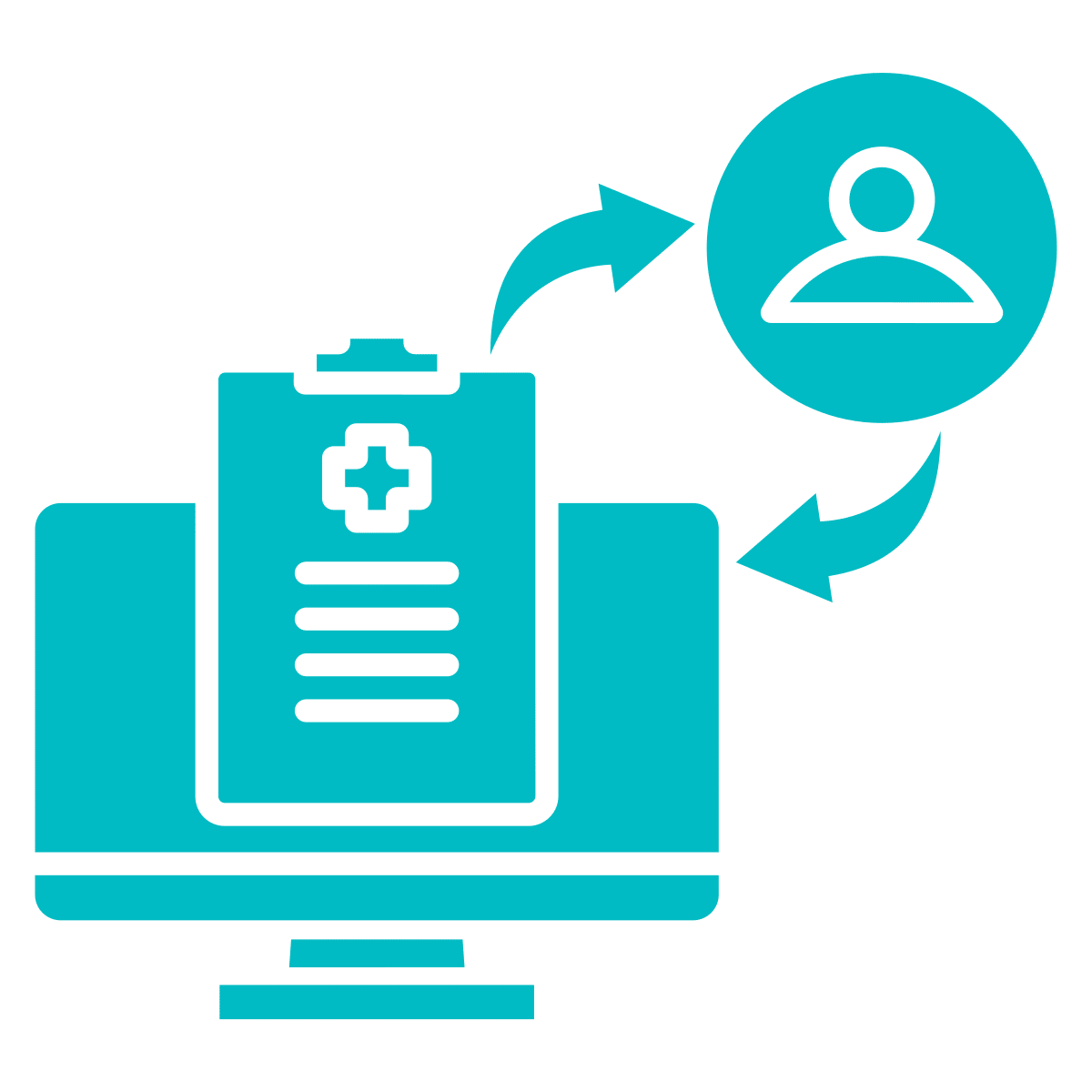
Shared information between health and social care organisations supports people to stay at home for longer. It has the potential to prevent millions of unnecessary A&E visits and delayed discharges from hospitals each year.
When every clinician knows exactly what information needs to be collected the guesswork is removed, allowing professionals to focus on care.


Diabetes: Ojaih's story
Ojaih
 Diabetes UK estimates that over 5.6 million people in the UK are living with diabetes — an all-time high. As diabetes remains a prevalent condition, it is increasingly important for people to feel supported in managing their health and to trust that their care team has access to the information needed to deliver high-quality care. However, this information is not always shared consistently.
Ojaih Willow, Diabetes Person Lead at the PRSB, lives with type 2 diabetes. She frequently encounters issues with information sharing, such as duplicated procedures. For instance, she once had a blood test at the hospital, only to repeat the same test the following week at her GP due to a lack of communication between the two services.
At times, she has had to carry paper records because her diabetes consultant could not access her eye screening test results digitally. On one occasion, her treatment was delayed because her healthcare professional did not have the necessary information.
The PRSB’s Diabetes Record Information Standard supports accurate and up-to-date information sharing between health and care professionals and people receiving diabetes care. The standard facilitates care planning, which is a vital component of a personalised care and support plan. It provides clinicians with a holistic view of the individual’s health, including their conditions, goals, needs, and preferences, while also empowering self-management.
Ojaih’s care plan helps her manage her diagnosis and goals by clarifying what actions to take to stay well and how to address any changes. For example, she can review her test results to track improvements. Her healthcare professionals also have access to her care plan, enabling them to understand her goals and collaborate effectively to achieve them.
“What the Diabetes Record Information Standard does is enable a lot of information to be shared with your healthcare professional before you even get to your appointment. It reduces the need to remember every single detail of my care history and allows me to focus on the actions that improve my health rather than on the administrative burden.”
“I would urge any organisation to implement the Diabetes Record Information Standard because it helps professionals to work effectively and efficiently, reducing errors, waste of time and duplications. It also enables people with diabetes to contribute meaningfully to their own care.”
“By implementing the standard, you’re enabling me, as a person living with diabetes, to get the best possible outcomes in the most efficient way possible.”
About Me: Sam and Shane's story
Sam and Shane
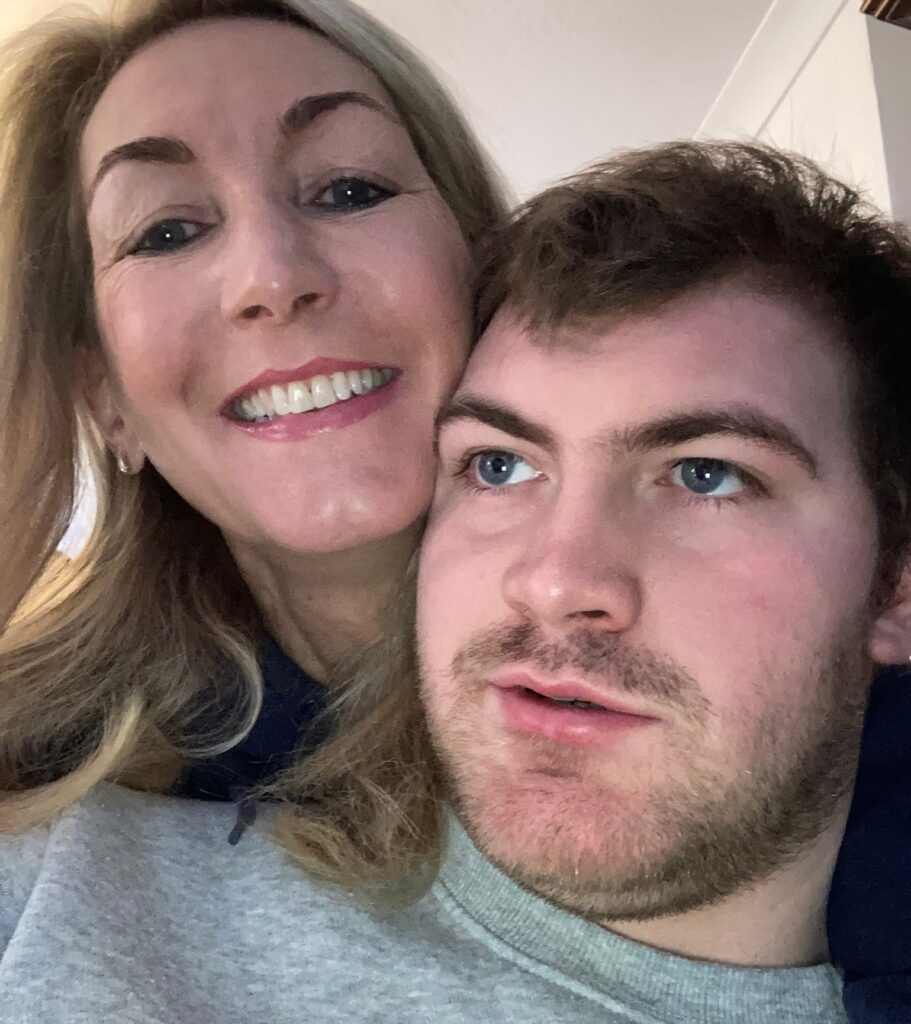 As a parent-carer of someone with complex needs, Sam Goncalves is in constant contact with the health and care system. As you move between care support staff, you are often asked to repeat your loved one’s ‘story’, which is an extremely sensitive and difficult topic. This was Sam’s reality and is currently still the case for so many other parents and carers.
Her son, Shane, lives with complex conditions and needs, including cerebral palsy. He wears ankle foot orthotics that allow him to walk. If his ankle foot orthotics are put on incorrectly, they rub and cause him pain, which in turn means he cannot wear them and cannot walk, removing a key chunk of his daily independence.
Using About Me information, Sam recorded a short video with clear instructions of how to properly fit Shane’s orthotics, giving us assurance that his independence will be retained, should any new care staff enter his life.
Shane likes to start each day with a sensory communication activity, known as a Tacpac session; information that is recorded in his About Me via using the Rix Research and Media Wiki, Sam had an idea to try a Tacpac session before his vaccinations, and this calmed Shane’s nerves to the extent that he was able to have both doses and his booster with minimal discomfort. This may have been a much harder process for Shane and his clinicians, had his About Me information not been available for all involved. As this example demonstrates, the About Me standard ensures essential care is given in a way that is tolerable and suited to the person. When we know how to support a person, it has a real benefit to their day-to-day life.
“People are experts on themselves, and their values and preferences should be respected. Using input from people with lived experience and professionals, the About Me standard gives people a voice by prioritising this information.
For parent carers like myself, the About Me Standard is the difference between care staff giving essential care and excellent, personalised-care, that sees the person for the individual they are.”
Palliative and end of life care: Molly's story
Molly
 Molly was diagnosed with kidney cancer 20 years ago, and had a nephrectomy (an operation to remove her kidney). By 2013, she had three more tumours and decided not to pursue treatment. Instead, she decided to turn down active (non-curative) medical treatment. Even though it was a difficult choice to make, she felt time was very precious and there was still much to enjoy.
After her decision, she was referred to her local hospice, and with the help of their skilled team, she was able to record her wishes for future treatment. Molly’s plans included a DNACPR (do not attempt cardiopulmonary resuscitation) form, an advance decision to refuse treatment (often called a living will), a detailed advance care plan and preferred priorities of care, and a ReSPECT (Recommended Summary Plan for Emergency Care and Treatment) form.
For Molly and her partner, getting her plans recorded at the time was important and reassuring. It helped both of them feel stronger and more in control as in Molly’s emergency, her wishes were known
When Molly had an acute emergency, she was seen by a urologist – there was no pressure to transfer her back to hospital and explore any treatment options, as the urologist had read her advance care planning documents and understood her wishes.
Several days after this episode, Molly collapsed at home and had to call an ambulance. The ambulance staff had read all her advance care planning paperwork and the ReSPECT form on the way to the call. On arrival, they already realised she wanted to be made comfortable at home and be firmly on the palliative route.
The PRSB’s Palliative and End of Life Care Information Standard helps ensure that a person’s wishes and needs as they near the end of life care can be easily shared and accessed wherever they are and whoever is providing their care.
The existence of the standard is an important step forward to ensure that everyone has the same positive experience as Molly. Its implementation will be critical to achieving the change that people approaching the end-of-life need, if their wishes are to be known and respected when it matters most.
“I absolutely believe that completing the process of advance care planning and importantly the forms well in advance can help you to get what you want and make it more likely to happen.”